Targeted DNA studies
Start from your target regions to resolve mutation co-occurrence in single cells and rebuild clonal composition and hierarchy.
View DNA servicesD100 · SERIES · HIGH-THROUGHPUT SINGLE-CELL DNA + PROTEIN
ZYENRA D100 links targeted DNA variants and selected surface-protein signals in the same cell. It reads out which mutations co-occur in each cell and which surface markers each clone carries, giving haematological-cancer, solid-tumour and translational studies clone-level and phenotype-level evidence.
Ask about D100 configurations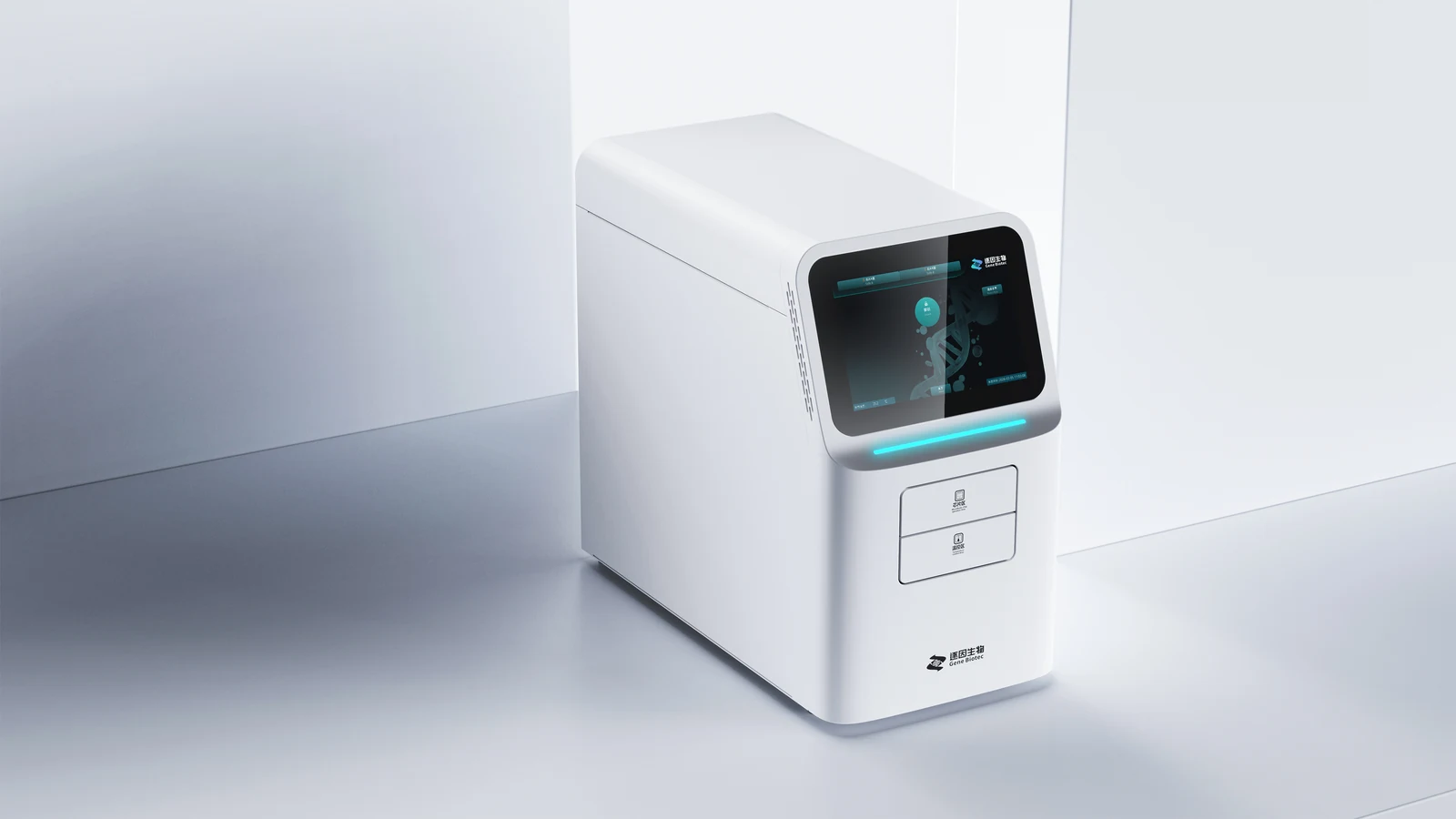
CONFIGURE YOUR STUDY
Start from your target regions to resolve mutation co-occurrence in single cells and rebuild clonal composition and hierarchy.
View DNA servicesRead mutation combinations and surface proteins from the same cell, and compare surface markers and differentiation features across clones.
View multimodal services32 DNA and protein panel designs for haematological and solid tumours. Now recruiting partner laboratories.
Browse the panel catalogue500–20,000
Cells captured per single-chip run
DNA + Protein
Linked readout from the same cell
On-board
Temperature-controlled steps run in the instrument
RVQC®
Real-Time Visual Quality Control System (optional)
HOW IT WORKS
Microfluidic partitioning and cell-barcode association link targeted DNA information and selected surface-protein signals to the same cell during analysis.
Cellular barcode association
DNA
Study variant combinations within cells across the selected target regions.
PROTEIN
Use the selected protein markers to examine the surface-protein phenotype of the same cell.
INSTRUMENT & PROCESS
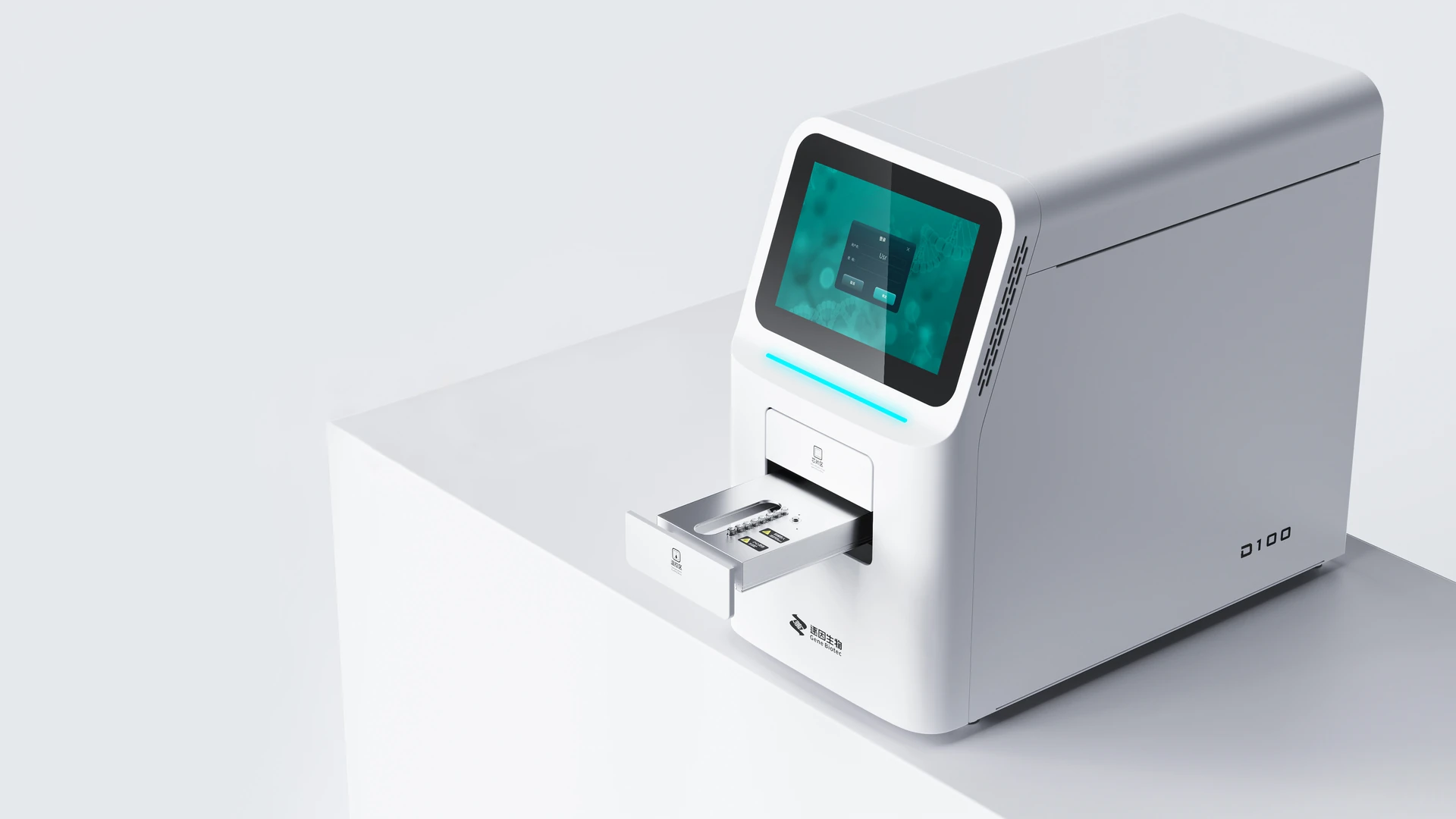
Droplet encapsulation, droplet fusion and temperature-controlled processing all run inside the instrument, reducing manual transfers. A single chip run captures 500–20,000 cells; libraries are sequenced on a compatible high-throughput platform, and the analysis pipeline links each cell's genotype with its surface-protein signals.
Cell-containing droplets merge with barcode beads and amplification reagents, giving target DNA and antibody tags a shared cell-of-origin barcode.
A built-in temperature module handles lysis and reaction temperatures on the instrument, without transfer to external equipment.
With the optional RVQC® Real-Time Visual Quality Control System, real-time visual recognition monitors key droplet states.
WORKFLOW
Define sample conditions, target regions and relevant protein markers.
D100 and its reagents perform surface-protein labelling, droplet encapsulation, lysis and barcoding.
Build libraries and generate data on a compatible external high-throughput sequencer.
Use cell calling, target coverage and protein background metrics to link each cell's variants and phenotype.
INPUTS & OUTPUTS
Samples are prepared as high-quality single-cell suspensions, such as bone marrow, peripheral blood, or dissociated tissue and effusions. Before the project starts we assess fit against sample condition, target regions and protein markers, with a pilot run where useful.
Deliverables include raw data, a quality report, targeted variants and selected protein signals, and clone–phenotype association analysis with methods. Quality requirements and acceptance criteria are agreed before the project starts.
TWO WAYS TO WORK
Discuss the D100 instrument, reagents, targeted content and workflow configuration for your lab, including how sequencing and analysis will be arranged.
Discuss instruments and reagentsStart with sample assessment, then select targeted DNA, DNA + protein or an assessed custom project and agree the assay scope, quality requirements and deliverables.
Discuss research services View DNA and multimodal service scopeAPPLICATIONS
At four points in a study — remission assessment, relapse or resistance, before and after targeted therapy, and when molecular and flow results disagree — D100 aligns genotype and phenotype in the same cell: it resolves where residual clones come from, tracks subclones that expand after treatment and compares target distribution across key clones.
Tumor heterogeneity and clonal researchTarget regions and protein markers are defined by the study design.
Ask about D100 configurationsFeedback, suggestions or concerns: CEO Direct