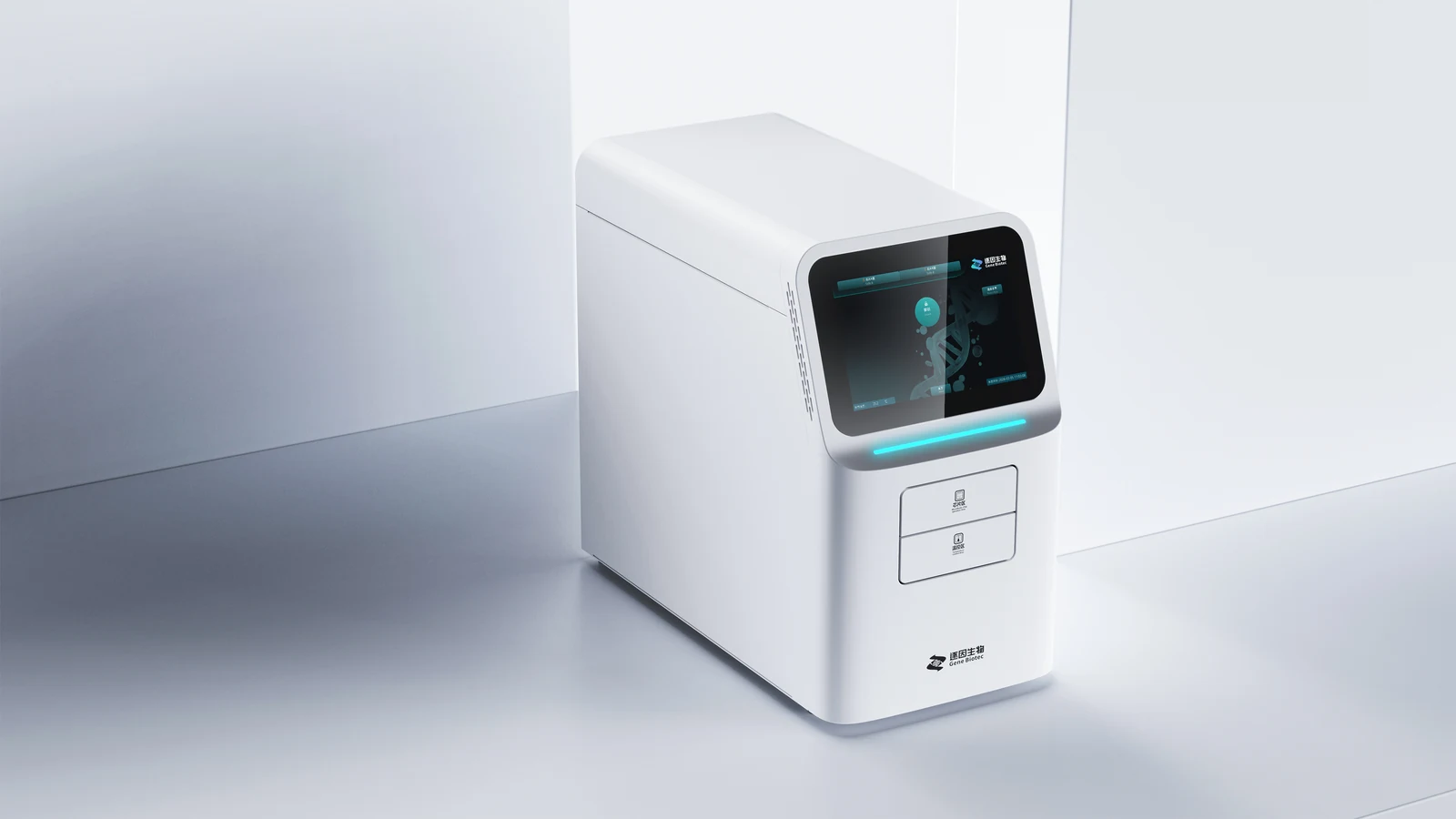
D100
Single-cell DNA and protein
Relate targeted DNA variants to selected surface-protein signals in the same cell to study clonal composition and measured phenotypes.
Explore D100TECHNOLOGY PLATFORMS
From genetic variation and phenotype to transcriptional states, tissue context and individual microbes. Choose a measurement approach around your research question.
AT A GLANCE
| Platform | Research object | Main information | Format | Sample or fit notes | Next step |
|---|---|---|---|---|---|
| D100 | Individual cells | Targeted DNA variants and selected surface proteins | Instrument, reagents and targeted content; scope confirmed per assay | Research targets and a single-cell suspension | View platform Ask about fit |
| R100 | Individual cells | Single-cell expression; chromatin accessibility via a selected workflow | RNA and ATAC are separate workflows, not joint same-cell assays by default | Sample preparation and the selected RNA / ATAC assay | View platform Ask about fit |
| X1000 | Individual microbes | Genomic differences linked to individuals | Droplet partitioning, reactions and barcode association | Input and recovery depend on the organism and need assessment | View platform Ask about fit |
| Spatial | Tissue sections | Expression with tissue position | Spatially barcoded chip and workflow (a chip and assay, not an instrument) | Fresh-frozen, OCT-embedded tissue | View platform Assess a spatial project |
Each platform has its own experimental workflow and can be used alone or in combination, depending on the research question.
D100
Relate targeted DNA variants to selected surface-protein signals in the same cell to study clonal composition and measured phenotypes.
Explore D100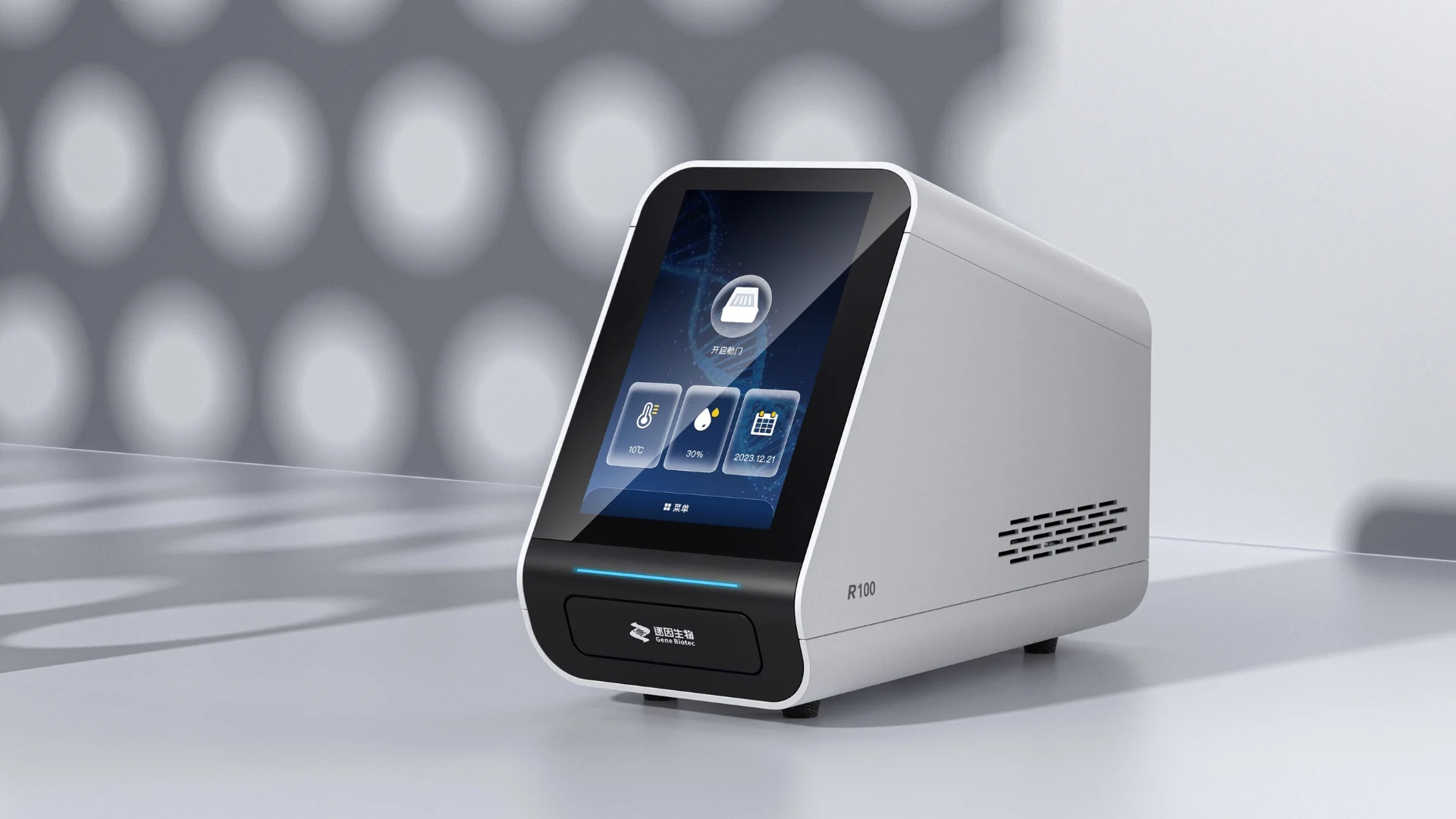
R100
Explore cell composition and state through gene expression, with assay-specific options for research into chromatin accessibility.
Explore R100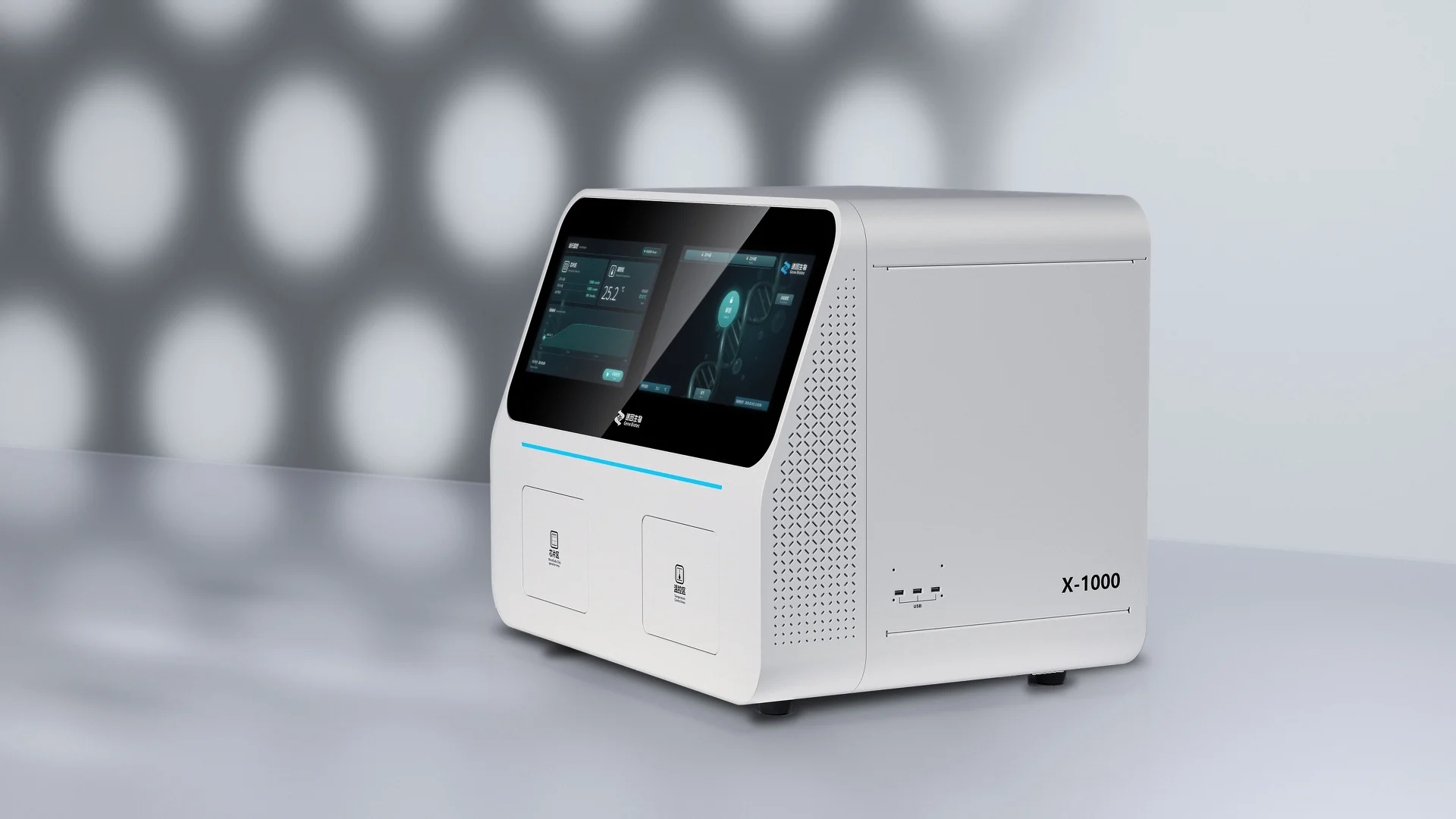
X1000
Partition individual microbes into reaction compartments to investigate genomic variation within a population.
Explore X1000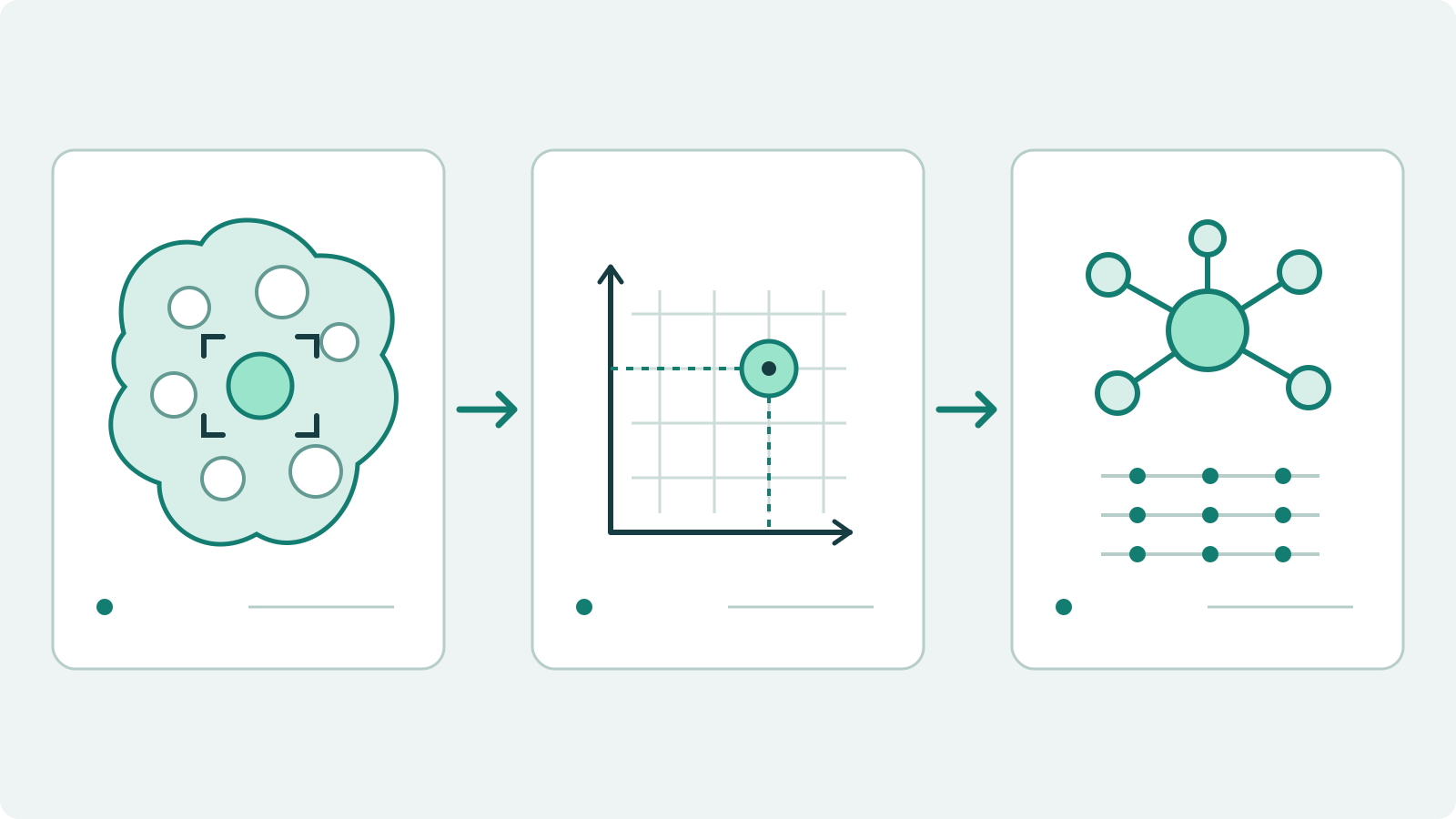
Spatial
Connect molecular signals, coordinates and tissue images through a spatially barcoded chip to study regional expression patterns.
START WITH THE QUESTION
Genetic variants, expression states, surface proteins, spatial positions and individual microbes each offer a different view.
Sample type, processing and quality shape the available approaches. Every project starts with sample assessment.
Consider experimental design, quality metrics and analytical assumptions together, so the data can address the original question.